






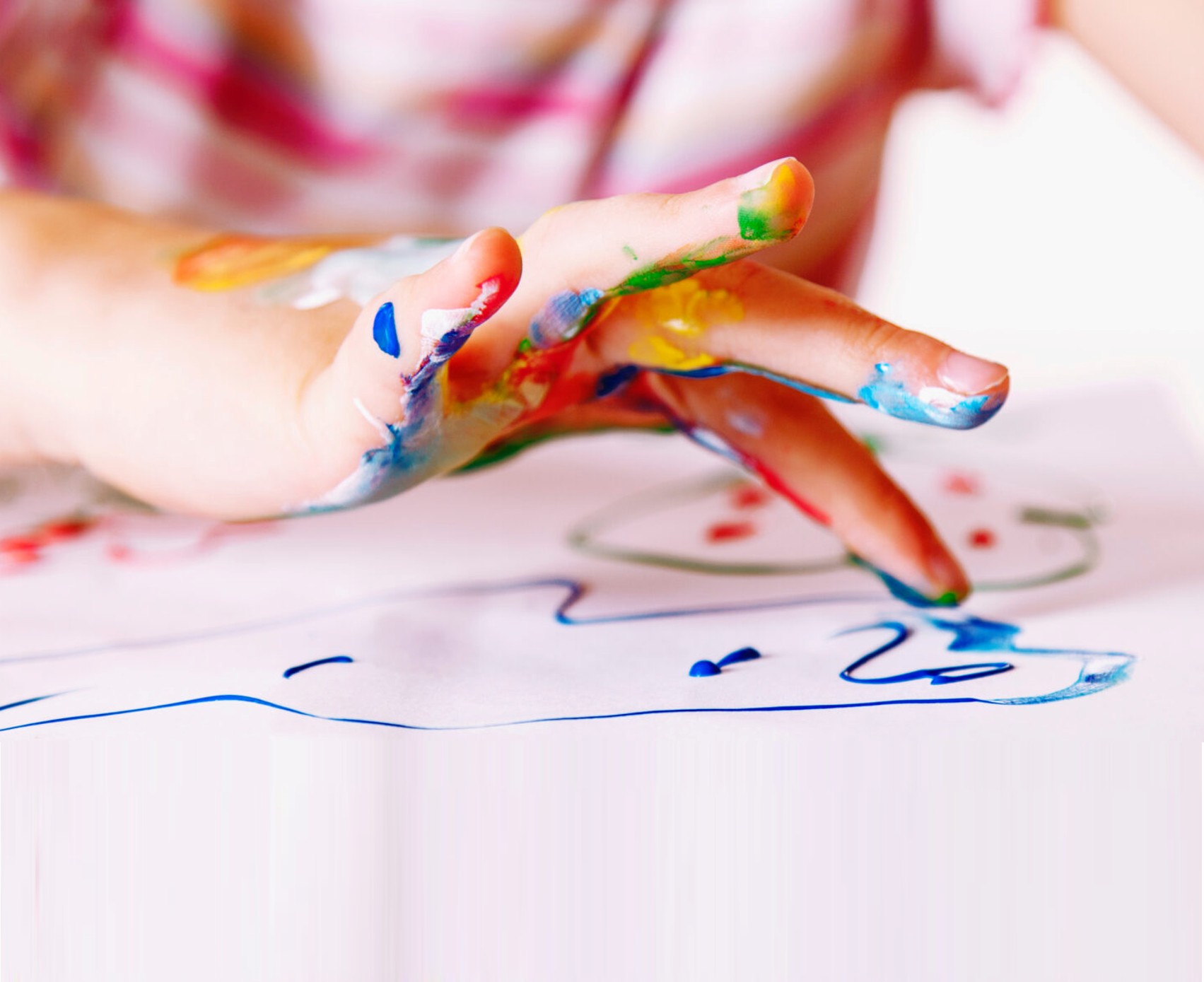
What Is Tactile Learning And What Are The Benefits?
The Return of Tactile Learning in a Digital World
For much of the past decade, the “classroom of the future” was imagined as rows of glowing screens replacing notebooks and textbooks. Yet as we move through 2026, the pendulum is swinging back.
Across the education sector, teachers, psychologists and parents are observing the same trend: screen fatigue! Attention spans are shortening, retention is slipping and student engagement is declining.
Technology remains an essential part of modern education. But schools are rediscovering something powerful — learning doesn’t just happen in the mind. It happens in the hands. At Larkswood Educational Supplies, we’re witnessing a significant shift as schools rediscover the profound cognitive benefits of tactile learning.
The Cognitive Connection: Beyond the Screen
Research shows that the brain processes physical experiences differently from digital interactions. When students manipulate real objects, multiple sensory pathways activate simultaneously.
Holding a 3D geometric solid. Feeling the weight of counting beads. Blending paint across textured paper. These hands-on experiences engage visual, tactile, and motor systems simultaneously, creating stronger neural connections than a simple “click and drag.” The result is learning that lasts.
Tactile learning also slows thinking in a productive way. It encourages reflection, spatial reasoning, and embodied understanding — all essential for long-term comprehension.
The Resurgence of Handwriting
One of the most notable returns is handwriting. While typing is essential, forming letters by hand is a sophisticated neurological exercise.
Writing activates the motor cortex through precise, coordinated movements. These actions strengthen letter recognition, reinforce spelling patterns, improves reading fluency and deepens the grasp of the language.
Many schools are now introducing “Analog Afternoons” or laptop-free zones. When students put screens away and pick up a pen, they write more deliberately. Sentence structure improves. Ideas deepen. Spelling and grammar become more secure.
To support this shift, Larkswood has expanded our handwriting range to include ergonomic pens, textured write-and-wipe boards, handwriting books and premium high-GSM paper designed to make writing a satisfying sensory experience rather than a digital chore.
Tactile Tools for a Modern Curriculum
Hands-on learning extends well beyond pen and paper. In mathematics, manipulatives such as base-ten blocks and fraction tiles make abstract concepts tangible. Students can physically “carry the one” or see how two quarters form a half.
In early years education, threading beads, moulding clay and practising with safety scissors develop grip strength, coordination and fine motor control — foundational skills that excessive screen use can weaken.
Outdoor learning further enhances tactile development. Forest school environments allow children to explore texture, sound, temperature and space, connecting learning directly to the real world.
Finding the “Phygital” Balance
This movement is not about abandoning technology — it’s about balance. The most effective classrooms blend digital efficiency with physical engagement.
A student might research Roman Britain on a tablet, then build a scale model of a Roman fort using physical materials. Research becomes creation. Information becomes experience.
High-tech meets high-touch — and learning becomes memorable.
As you plan the coming term, consider where digital interaction can be complemented by physical tools. Small changes can make a meaningful difference in engagement, retention, and student wellbeing.
Ready to bring hands-on learning back into your classroom? Explore our Handwriting & Stationery Essentials and rediscover the power of tactile learning with Larkswood Educational Supplies.
