

Blog

0 £0.00
products in your basketto quote Checkout
Ooops no items were found.
Try something else.
Ok
Loading…

Shedding Light on Learning: How Classroom Lighting Shapes Student Success


At Larkswood Educational Supplies, we know that a well-lit classroom sets the stage for creativity and effective learning. Thoughtful design, classroom lighting ideas can enhance concentration, boost energy efficiency and create a positive atmosphere that nurtures student success. As well as enhance focus, comfort and wellbeing—particularly for students with Special Educational Needs (SEN).

Why Lighting Matters in Education

Students’ energy levels, attention and mood fluctuate throughout the day, and lighting plays a key role in these shifts. Good lighting reduces eye strain and visual fatigue, improves readability and task accuracy and supports healthy circadian rhythms.

But for many learners—especially those with SEN—lighting is not a neutral backdrop. It can actively support learning or become a significant barrier.

For students with autism, ADHD, or sensory processing differences, harsh or flickering fluorescent lighting can feel overwhelming or even physically painful. This sensory discomfort can quickly lead to distraction, anxiety, or withdrawal from learning activities.

Lighting and the SEN Classroom: A Sensory Perspective

When exploring how classroom lighting affects learning, sensory regulation must be front and centre. Many neurodiverse students are highly sensitive to visual input and may experience sensory overload if lighting is poorly managed.

Key sensory considerations include:

Glare and Visual Discomfort. Poorly positioned lights and reflective surfaces can cause glare, leading to irritability and reduced concentration. Light filters and covers help diffuse harsh overhead lighting, creating a softer, calming “sky-like” effect that supports emotional regulation.

The Value of Soft, Adjustable Lighting. In sensory rooms, calm-down areas, or quiet corners, low-level, adjustable lighting is essential. Gentle visual stimuli—such as LED bubble tubes or passive LED light sources—provide interest without overstimulation, helping students feel grounded and safe.

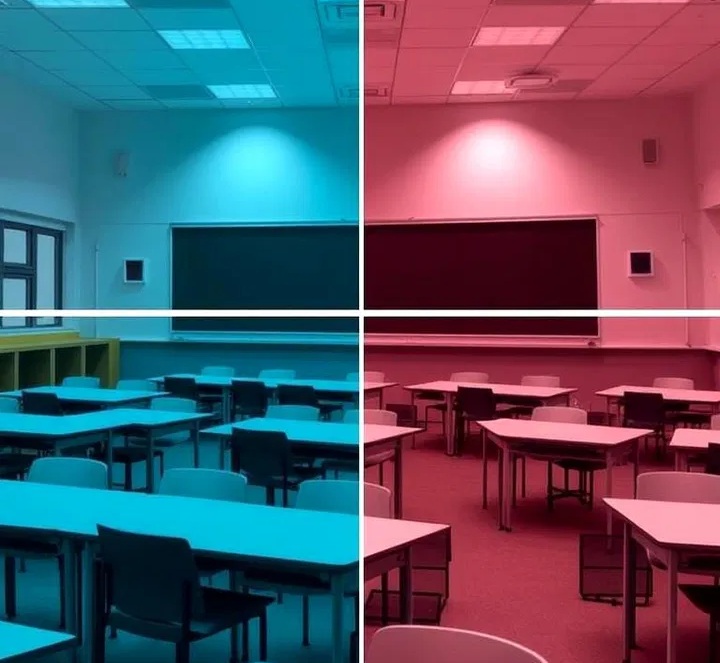
Colour Temperature and Spectral Balance. Cool, blue-enriched lighting can boost alertness and is often useful in the morning. However, for students prone to sensory overload, warmer light tones promote relaxation and emotional security, making them better suited for sustained focus or quiet tasks.

Practical Steps to Improve Your Classroom Lighting

Creating an effective lighting environment doesn’t require a complete overhaul—small, flexible changes can make a meaningful difference.

  1. Maximise Natural Light
    Use daylight wherever possible, but manage it carefully with blinds or diffusers to prevent glare on whiteboards and screens.
  2. Build in Flexibility
    Dimmable lighting allows teachers to adapt the environment for different activities. If ceiling lights aren’t adjustable, supplement with portable mood lighting to support quiet work or regulation breaks.
  3. Create Low-Light Retreats
    For students who become overwhelmed, designated low-light spaces—such as dark dens or blackout tents—offer immediate relief and a chance to reset sensory input.
  4. Match Lighting to the Task
    Brighter, cooler lighting works well for collaborative or active tasks, while warmer, softer lighting is ideal for reading corners, one-to-one work, and independent study.

Final Thoughts: Lighting the Way to Inclusive Learning

Investing in thoughtful classroom lighting isn’t about aesthetics—it’s about equity, accessibility, and student wellbeing. When lighting is flexible, sensory-aware, and purposefully designed, it supports learning rather than competing with it.

Transform Your Classroom with Larkswood

Ready to create a calmer, more inclusive learning environment? From glare-reducing solutions to immersive sensory equipment, Larkswood offers carefully selected products designed to support student wellbeing and engagement.

Explore the Larkswood SEN & Sensory Collection today and start lighting the way to better learning.

Shedding Light on Learning: How Classroom Lighting Shapes Student Success


At Larkswood Educational Supplies, we know that a well-lit classroom sets the stage for creativity and effective learning. Thoughtful design, classroom lighting ideas can enhance concentration, boost energy efficiency and create a positive atmosphere that nurtures student success. As well as enhance focus, comfort and wellbeing—particularly for students with Special Educational Needs (SEN).

Why Lighting Matters in Education

Students’ energy levels, attention and mood fluctuate throughout the day, and lighting plays a key role in these shifts. Good lighting reduces eye strain and visual fatigue, improves readability and task accuracy and supports healthy circadian rhythms.

But for many learners—especially those with SEN—lighting is not a neutral backdrop. It can actively support learning or become a significant barrier.

For students with autism, ADHD, or sensory processing differences, harsh or flickering fluorescent lighting can feel overwhelming or even physically painful. This sensory discomfort can quickly lead to distraction, anxiety, or withdrawal from learning activities.

Lighting and the SEN Classroom: A Sensory Perspective

When exploring how classroom lighting affects learning, sensory regulation must be front and centre. Many neurodiverse students are highly sensitive to visual input and may experience sensory overload if lighting is poorly managed.

Key sensory considerations include:

Glare and Visual Discomfort. Poorly positioned lights and reflective surfaces can cause glare, leading to irritability and reduced concentration. Light filters and covers help diffuse harsh overhead lighting, creating a softer, calming “sky-like” effect that supports emotional regulation.

The Value of Soft, Adjustable Lighting. In sensory rooms, calm-down areas, or quiet corners, low-level, adjustable lighting is essential. Gentle visual stimuli—such as LED bubble tubes or passive LED light sources—provide interest without overstimulation, helping students feel grounded and safe.

Colour Temperature and Spectral Balance. Cool, blue-enriched lighting can boost alertness and is often useful in the morning. However, for students prone to sensory overload, warmer light tones promote relaxation and emotional security, making them better suited for sustained focus or quiet tasks.

Practical Steps to Improve Your Classroom Lighting

Creating an effective lighting environment doesn’t require a complete overhaul—small, flexible changes can make a meaningful difference.

  1. Maximise Natural Light
    Use daylight wherever possible, but manage it carefully with blinds or diffusers to prevent glare on whiteboards and screens.
  2. Build in Flexibility
    Dimmable lighting allows teachers to adapt the environment for different activities. If ceiling lights aren’t adjustable, supplement with portable mood lighting to support quiet work or regulation breaks.
  3. Create Low-Light Retreats
    For students who become overwhelmed, designated low-light spaces—such as dark dens or blackout tents—offer immediate relief and a chance to reset sensory input.
  4. Match Lighting to the Task
    Brighter, cooler lighting works well for collaborative or active tasks, while warmer, softer lighting is ideal for reading corners, one-to-one work, and independent study.

Final Thoughts: Lighting the Way to Inclusive Learning

Investing in thoughtful classroom lighting isn’t about aesthetics—it’s about equity, accessibility, and student wellbeing. When lighting is flexible, sensory-aware, and purposefully designed, it supports learning rather than competing with it.

Transform Your Classroom with Larkswood

Ready to create a calmer, more inclusive learning environment? From glare-reducing solutions to immersive sensory equipment, Larkswood offers carefully selected products designed to support student wellbeing and engagement.

Explore the Larkswood SEN & Sensory Collection today and start lighting the way to better learning.

SEARCH ×